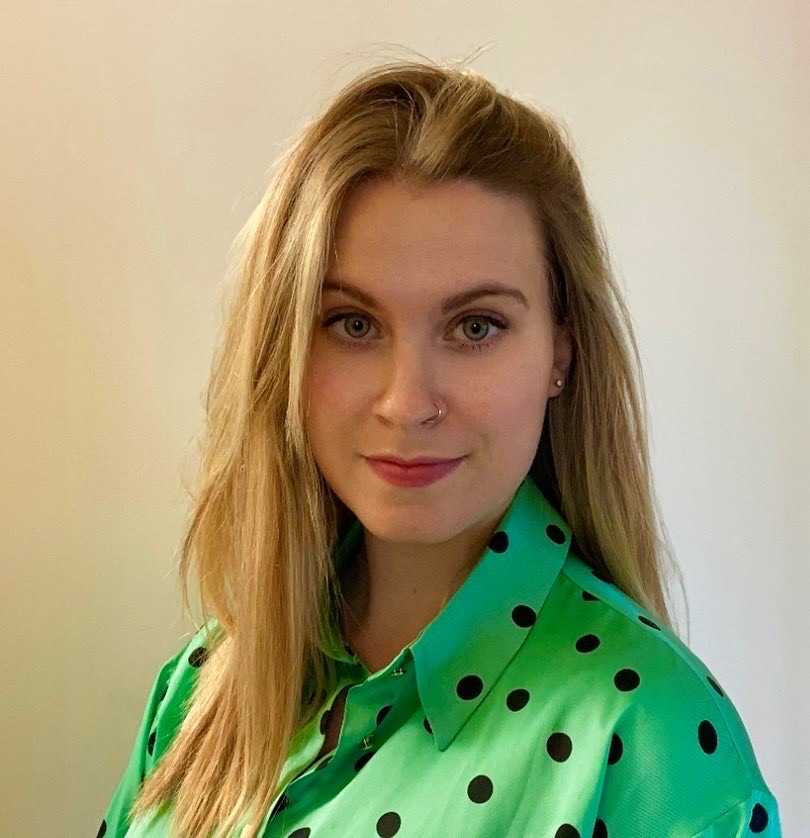
Interview with
Katie Levett
Sustainability Manager at Tropic
In this conversation, Katie Levett shares her people-centered approach to ESG strategy at Tropic, why embedding sustainability into company culture is essential, and her conviction that the food system must be reinvented with the people who grow our food at its heart.
Can you tell us a bit about your role and the lens you bring to sustainability through your work?
I lead the ESG and Impact strategies at Tropic, which is deeply embedded in who we are as a business. Sustainability isn't a side initiative for us. It's central to our mission of bringing innovation to the people and places that need it most. That purpose shapes every decision we make. My role relies heavily on collaboration, and I choose to take a people-centered approach. Whether that's data collection or driving cross-functional projects, collaboration and building engagement with all stakeholders are vital and I believe tangible change can only be achieved through co-ownership and changing processes together. A big part of my focus is embedding sustainability into company culture, not treating it as a standalone function, but integrating it into how we think, operate, and make decisions. When we reshape processes together, sustainability becomes something everyone contributes to, not something done in isolation.
What changes or shifts have you noticed in sustainability in the last 12–24 months?
In the last 12–24 months, there's been a noticeably pessimistic outlook in global media, suggesting global climate targets are slipping out of reach. While that can feel discouraging, I see it as a critical call to action rather than a reason to give up. The gap between where we are and where we need to be is becoming clearer - and that clarity can be a powerful catalyst for change. What's shifting is the realization that we can't rely on incremental progress anymore. Organizations, governments and individuals are being pushed to rethink ambition, accelerate timelines to adopt solutions matching the scale of the challenge. For me, this moment is less about negativity and more about urgency. The narrative is changing from "we're falling behind" to "we need to act differently and faster." That shift in mindset is essential if we're going to drive meaningful, collective progress.
"If we want a sustainable food system, we must build it with the people who grow our food, not around them."
— Katie Levett
What's often misunderstood about sustainability in your space?
The idea that we can simply "fix" the food system. The reality is that small adjustments won't get us where we need to be - we have to reinvent how the system works and new ways of thinking if we want a credible and resilient food system for future generations that can feed more people with fewer resources under harsher conditions. Innovation plays a crucial role in that transformation. Whether it's new technologies, new production models, or new ways of thinking about supply chains, progress depends on our willingness to challenge the status quo. Another misconception is overlooking those at the center of the system. Farmers and growers aren't just one part of the chain; they are the foundation of it. That's why supporting them sits at the heart of our mission. If we want a sustainable food system, we must build it with the people who grow our food, not around them.
What do you think will define "credible" sustainability in the next few years?
In the next few years, I think "credible" sustainability will be defined by a much higher bar for evidence. We're moving beyond broad commitments, and instead entering a phase where organizations will need to demonstrate real progress through transparent and measurable data. Claims will increasingly need to be backed by clear metrics, robust methodologies and third-party verification to ensure they stand up to scrutiny. This shift is important because it builds trust. Stakeholders, from consumers to investors, want to see proof, not promises. As expectations rise, credibility will come from showing exactly how impact is measured, how targets are set and how progress is independently validated. Ultimately, sustainability will be judged not by how ambitious a company sounds, but by how accountable and transparent it is.
Interview conducted by Kinara
Explore More Insights
Discover more thought leadership on sustainability, ESG, and impact investing.
View All Articles