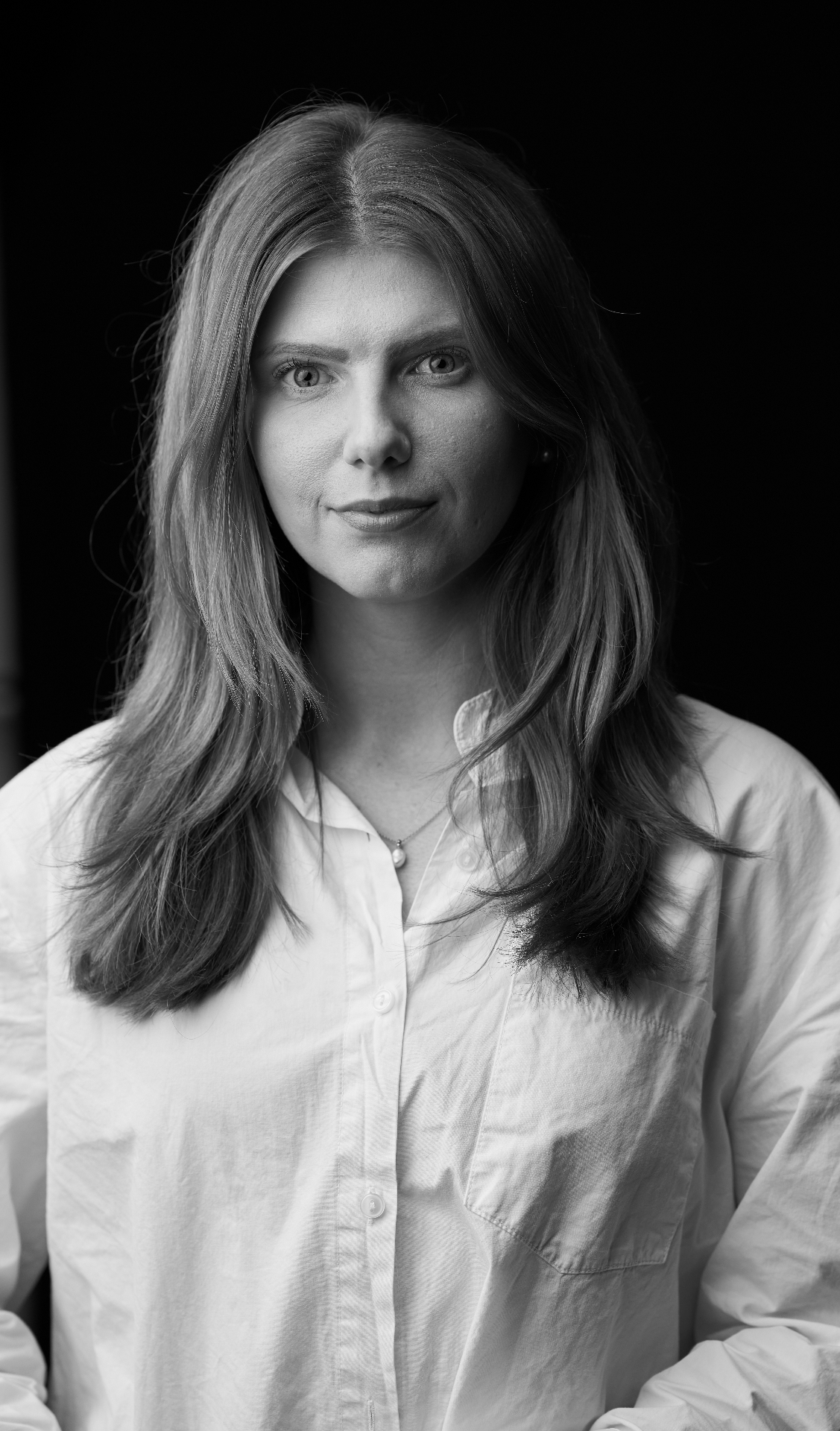
Interview with
Isobel Carlill
Sustainability Manager at Moët Hennessy
In this conversation, Isobel Carlill shares her unexpected path into sustainability, the essential connection between nature and the wines & spirits industry, and why transparency will define credible sustainability in the coming years.
Tell us about your journey in the sustainability sector?
I completely fell into sustainability by chance after deciding to take a Master's degree in Sustainability & Social Anthropology at Edinburgh University. It wasn't a topic I had studied before, but I liked the look of the course. I ended up loving it, and after graduating, decided to focus my career on sustainability. Sustainability is absolutely essential to the wines & spirits industry because our product is so rooted in nature. Simply put, it doesn't exist without nature, so it's essential that we protect the delicate balance between productivity and preservation. Our terroirs are at the heart of everything we do, and we're focused on preserving our soils, restoring biodiversity, and conserving water.
From your perspective, how would you describe the current sustainability landscape in your industry?
That's a big one because a lot has changed! Early sustainability efforts focused on integration, including the development of frameworks and KPIs to embed sustainability across the business. However, over the last 12-24 months, we've entered a challenging economic context, which has shifted consumer behavior and forced companies to rethink what sustainability means to them. We're now seeing a clear consolidation of sustainability efforts. I don't necessarily see this as a step back; rather, we were seeing sustainability and refocusing it into smaller, more impactful target areas. Less can yield more results through the development of more refined, considered strategies. The sustainability landscape will continually shift and evolve as legislation advances, consumer and investor demand changes, and the urgency to adapt to climate change increases. This means we, as sustainability experts, have to be ready to shift and adapt to the surrounding landscape.
"Credibility doesn't exist without transparency and it's undoubtedly going to become an increasing expectation of companies to be able to demonstrate traceability across the full scope of their supply chain within the next 2-5 years."
— Isobel Carlill
Where do you see the biggest disconnect right now between sustainability goals and real-world execution?
I can answer that in one word - budget! There is a genuine and sustained gap between what companies set as goals and the resources to achieve them. There are quick wins in sustainability, but these are often simpler actions that initiate the pathway to a goal but aren't necessarily robust enough to achieve real change. Sustainability often requires a complete rethink, whether operational or institutional, and challenges the 'business as usual' model we have become so used to.
What do you think will define "credible" sustainability in the next few years?
Credibility doesn't exist without transparency, and it's undoubtedly going to become an increasing expectation for companies to demonstrate traceability across the full scope of their supply chain within the next 2-5 years. In some areas, such as human rights & ethics, this is already a major focus, and it's no longer acceptable to claim sustainability (social or environmental) without clear evidence. I work within the luxury sector, and consumers expect a brand to demonstrate transparency; they purchase your product with the understanding that it's sourced ethically, fairly, and to the highest standard. Transparency and sustainability go hand in hand. It's part of a business' license to operate, and the focus on this aspect of sustainability is only going to grow in the next few years.
Interview conducted by Kinara
Explore More Insights
Discover more thought leadership on sustainability, ESG, and impact investing.
View All Articles